Professional Retaining Wall Construction in Southwest Florida

Expert Retaining Wall Solutions for Erosion Control and Landscape Transformation
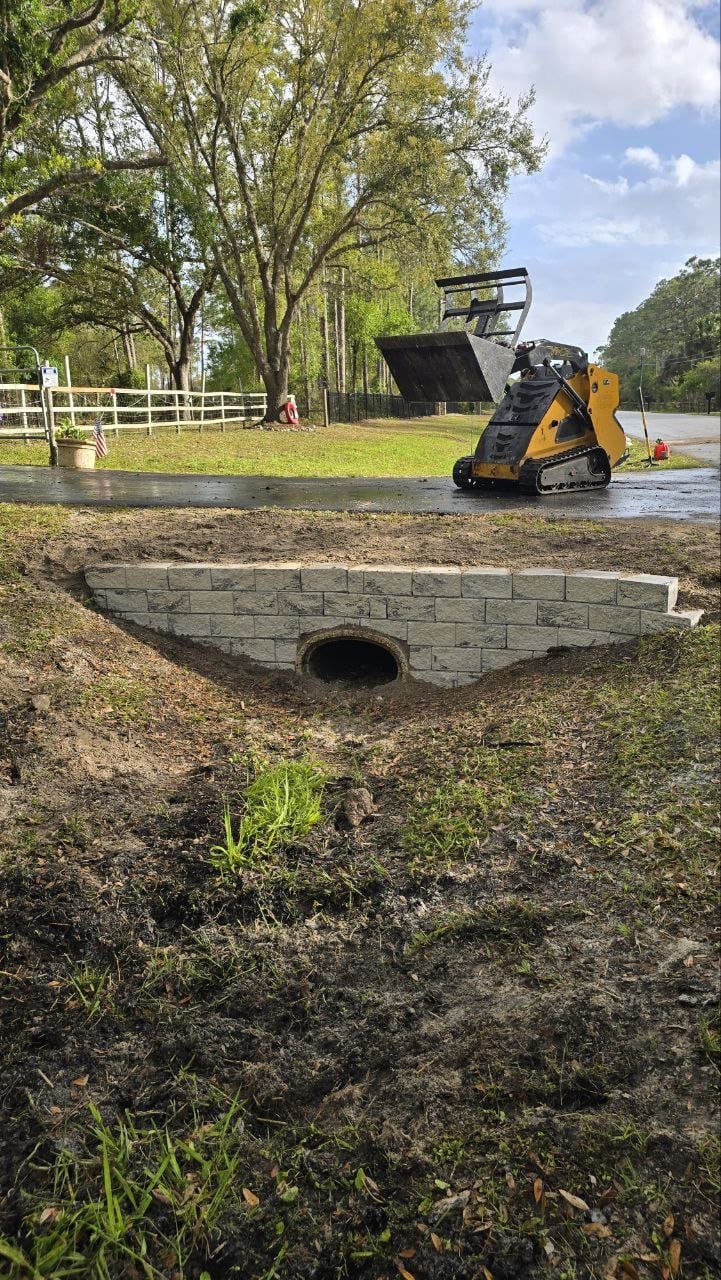
Our professional retaining wall construction delivers engineered solutions that stabilize slopes, prevent erosion, and create usable level areas on challenging Southwest Florida terrain while adding architectural beauty throughout residential and commercial properties. We serve homeowners and businesses in North Port, Port Charlotte, Venice, and Englewood, designing and building retaining walls that withstand soil pressure, water forces, and Florida’s challenging climate including heavy seasonal rainfall and occasional hurricanes. Whether you need simple decorative walls defining garden beds, functional walls creating level yard areas, or extensive terraced systems managing significant grade changes, our experienced crews combine engineering knowledge with quality construction techniques to build structures that perform reliably for decades. Each retaining wall project receives proper engineering analysis determining wall height requirements, base specifications, drainage provisions, and reinforcement needs following UF/IFAS erosion control principles ensuring structural integrity and long-term stability. We work with multiple materials including concrete modular blocks, natural stone, and poured concrete, selecting appropriate systems based on application demands, aesthetic preferences, and budget parameters. Our installations integrate seamlessly with comprehensive landscape designs, coordinating with lawn installation, ornamental plantings, hardscape features, and irrigation systems creating complete outdoor transformations that maximize property value while solving drainage and erosion challenges.
Professional Hardscaping in North Port, Venice, Port Charlotte and Englewood

retaining wall Use Cases

Professional Retaining Walls in North Port, Venice, Port Charlotte and Englewood

Slope Stabilization

Retaining walls stabilize steep slopes preventing erosion that damages properties during Southwest Florida's heavy rainstorms and seasonal weather patterns. Professional engineering ensures walls withstand constant soil pressure and water forces. Terraced systems create dramatic elevation changes accommodating lawns and ornamental beds on challenging terrain while preventing dangerous mudslides and property damage.
Professional Retaining Walls in North Port, Venice, Port Charlotte and Englewood

Creating Level Yard Space

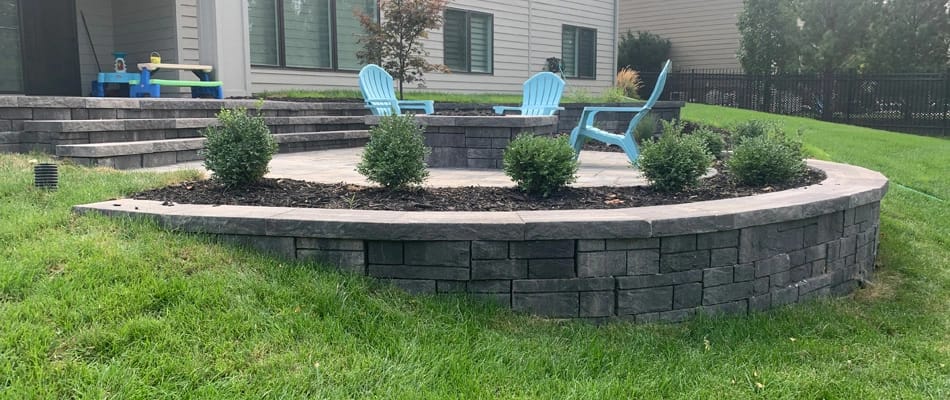
Retaining wall construction transforms sloped yards into functional level areas perfect for patios, play areas, and outdoor living spaces. Expert design maximizes usable property area previously inaccessible. Strategic wall placement coordinates with hardscape features and landscape elements creating cohesive outdoor environments that enhance property functionality and appearance.

Professional Retaining Walls in North Port, Venice, Port Charlotte and Englewood

Decorative Garden Walls

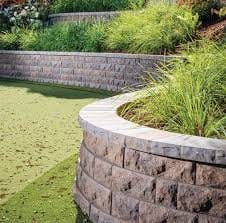
Decorative retaining walls define raised planting beds, create visual interest with elevation changes, and organize landscape areas into distinct outdoor rooms. Low walls under 30 inches provide architectural elements without extensive engineering. Natural stone and textured block options complement home architecture while supporting ornamental displays and decorative borders throughout properties.
Professional Retaining Walls in North Port, Venice, Port Charlotte and Englewood
Professional retaining wall design and construction requires comprehensive engineering knowledge, understanding of soil mechanics, proper drainage principles, and construction expertise to create structures that perform safely and reliably throughout their service life in Southwest Florida’s challenging conditions. Our design process begins with thorough site evaluation assessing existing soil conditions, slope angles, drainage patterns, and elevation changes to determine wall height requirements and structural demands. We conduct engineering calculations determining proper base dimensions, reinforcement needs, and drainage provisions based on wall height, soil pressure, and surcharge loads from adjacent structures or slopes above the wall. Design considerations include selecting appropriate materials matching application demands – decorative walls under 30 inches often use standard modular blocks without reinforcement, while taller structural walls require engineered systems with geogrid reinforcement extending into backfill soil. Every retaining wall installation incorporates essential drainage systems preventing hydrostatic pressure buildup that causes wall failure – we install perforated drain pipes at wall bases, drainage aggregate behind walls, and weep holes through wall faces allowing water escape following Florida-Friendly erosion prevention practices. Base preparation critically impacts long-term performance, requiring excavation below finished grade to undisturbed soil or engineered fill, installation of compacted aggregate base providing stable foundations, and precise leveling ensuring walls start properly. Construction techniques vary by material – modular block walls use interlocking units placed in running bond patterns with geogrid reinforcement layers at specified intervals, natural stone walls require skilled masons selecting and fitting individual stones creating stable structures, and poured concrete walls need forming, reinforcement placement, and careful concrete placement. We coordinate retaining wall construction with other landscape elements, installing walls before hardscape features, coordinating with irrigation systems, and planning for landscape plantings that enhance wall aesthetics. Following regional climate considerations, we detail wall caps protecting wall tops from water infiltration and finish wall faces ensuring proper appearance. All work complies with local building codes and permitting requirements, with taller walls requiring engineering stamps and inspections. Contact us for site evaluation and custom retaining wall solutions.

Retaining Wall Materials and Applications

Concrete Block Walls

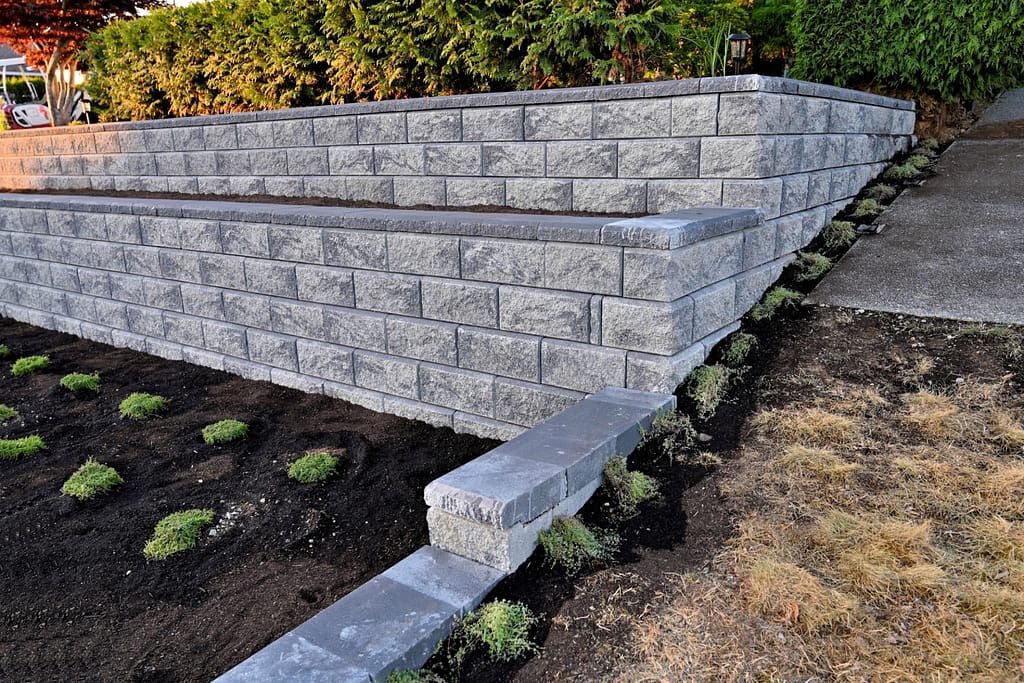
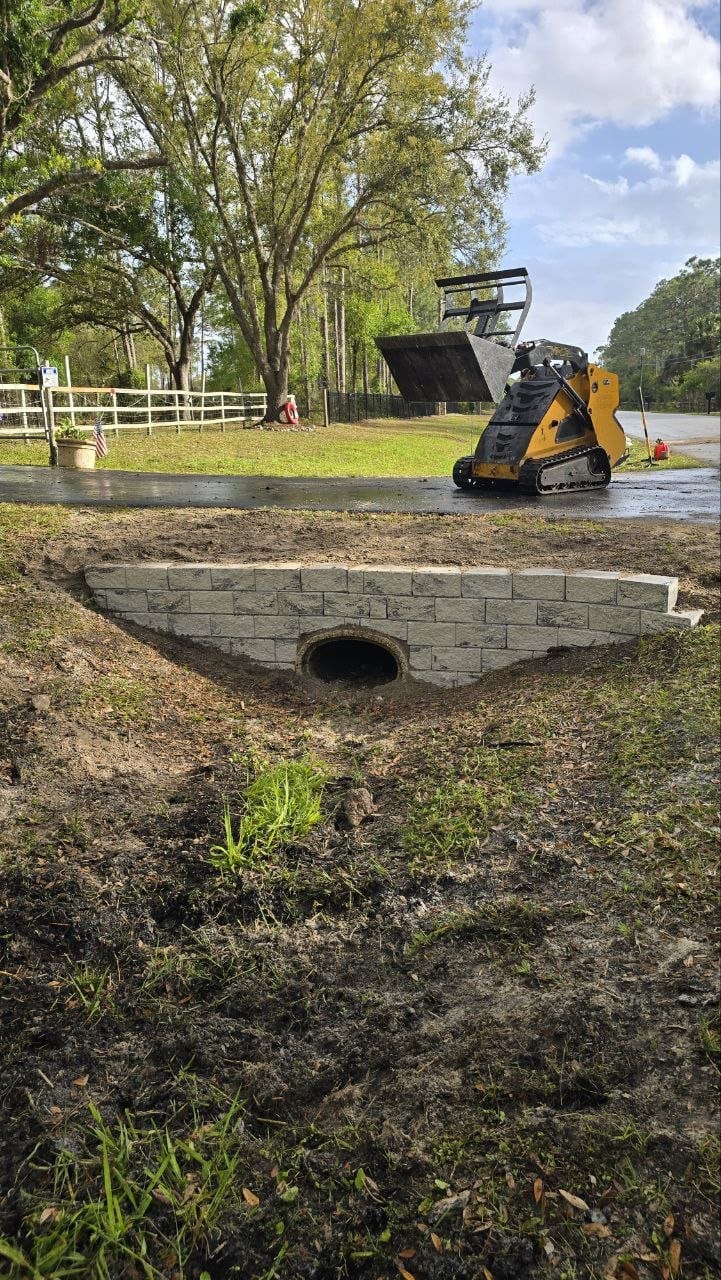
Modular block retaining walls offer excellent performance, design flexibility, and accessible pricing using interlocking units engineered specifically for retaining applications with built-in drainage.

Natural Stone Walls

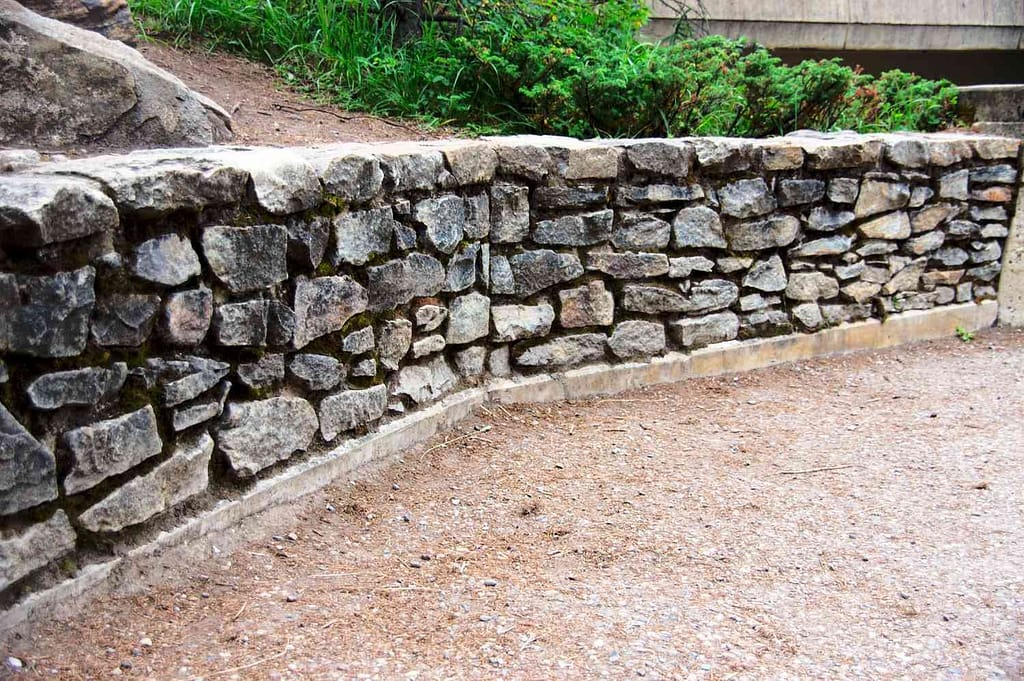
Stone retaining walls provide timeless beauty using limestone, fieldstone, or granite creating unique character and premium aesthetics perfect for high-end landscapes and traditional architecture.

Poured Concrete Walls

Engineered concrete retaining walls handle extreme heights and loads using reinforced construction ideal for challenging applications requiring maximum strength and custom configurations.

Gravity Walls

Gravity retaining walls rely on mass and weight resisting soil pressure, suitable for heights under 4 feet using modular blocks or natural stone without reinforcement.

Reinforced Walls

Geogrid-reinforced retaining walls extend into backfill soil creating composite structures handling significant heights and loads through soil-reinforcement interaction rather than mass alone.

Terraced Systems

Terraced retaining walls manage extreme grade changes using multiple shorter walls creating stepped levels that accommodate turf areas and planting beds between tiers.

Built-In Planters

Integrated planter pockets within retaining walls create opportunities for cascading plants and flowering displays adding color and softening hard surfaces throughout wall faces.

Seat Walls

Low retaining walls with flat caps serve dual purposes providing permanent seating around patios while defining outdoor room boundaries and managing grade changes.

Lighting Integration

Incorporated lighting within or atop retaining walls enhances safety, extends outdoor enjoyment into evening hours, and creates dramatic nighttime landscape illumination effects.

How retaining wall Compares

Professional Landscape Renovation in North Port, Venice, Port Charlotte and Englewood

Block Retaining Walls

Lifetime Durability
Rot Resistance
Maintenance Requirements
Structural Capacity
Professional Retaining Walls in North Port, Venice, Port Charlotte and Englewood

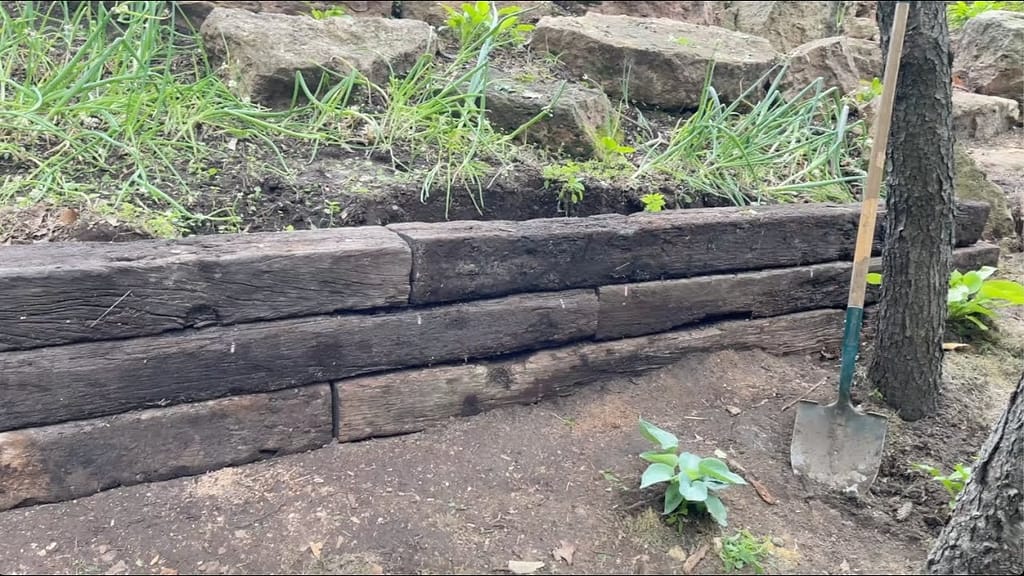
Timber Walls

Lifetime Durability
Rot Resistance
Maintenance Requirements
Structural Capacity

The retaining wall Process

Professional Plant Installation in North Port, Venice, Port Charlotte and Englewood

Engineering & Design

Our retaining wall design process begins with comprehensive site evaluation and engineering analysis determining wall requirements and structural specifications.
We assess soil conditions, measure grade changes, and calculate loads. Engineering calculations determine base dimensions, reinforcement needs, and drainage provisions ensuring code compliance and structural integrity.
Professional Retaining Walls in North Port, Venice, Port Charlotte and Englewood

Site Preparation

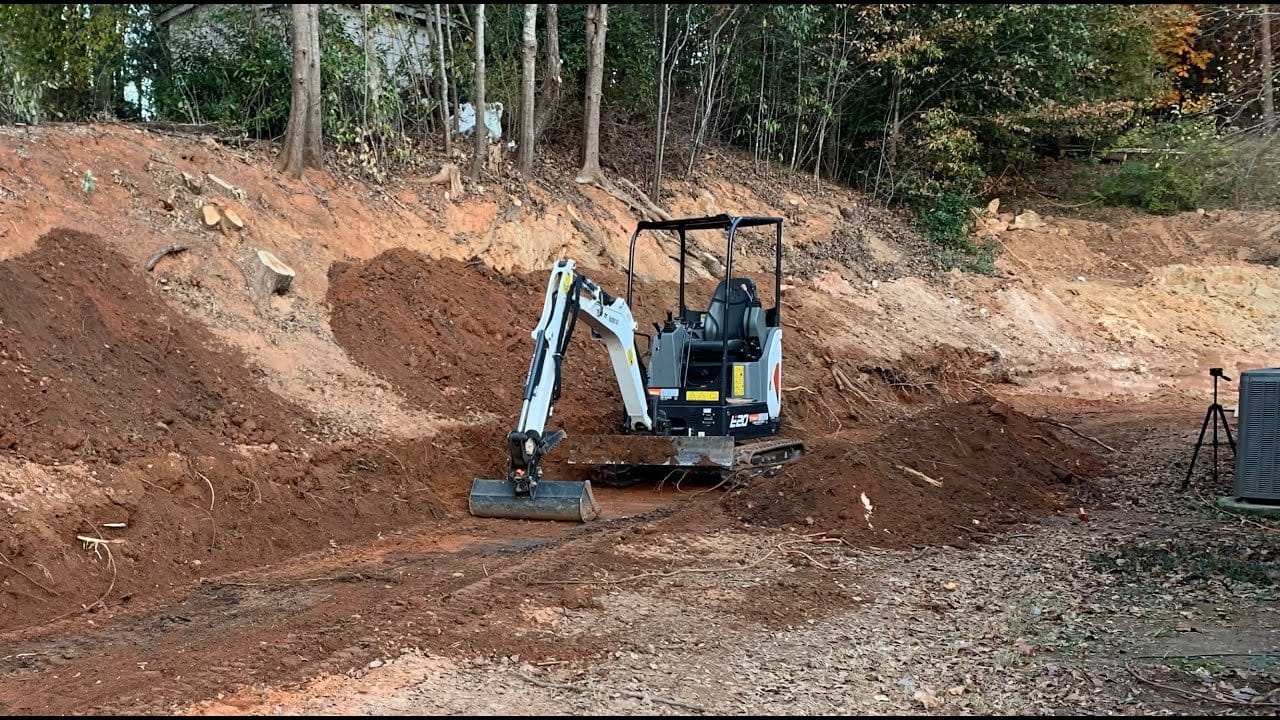
Proper excavation and base preparation create stable foundations supporting retaining walls throughout their service life under constant soil pressure.
We excavate to specified depths reaching undisturbed soil, install compacted aggregate bases, and establish proper grades. Drainage systems go in before wall construction begins preventing future water issues.
Professional Retaining Walls in North Port, Venice, Port Charlotte and Englewood

Wall Construction

Expert crews construct retaining walls using proven techniques, quality materials, and attention to detail ensuring beautiful results that last decades.
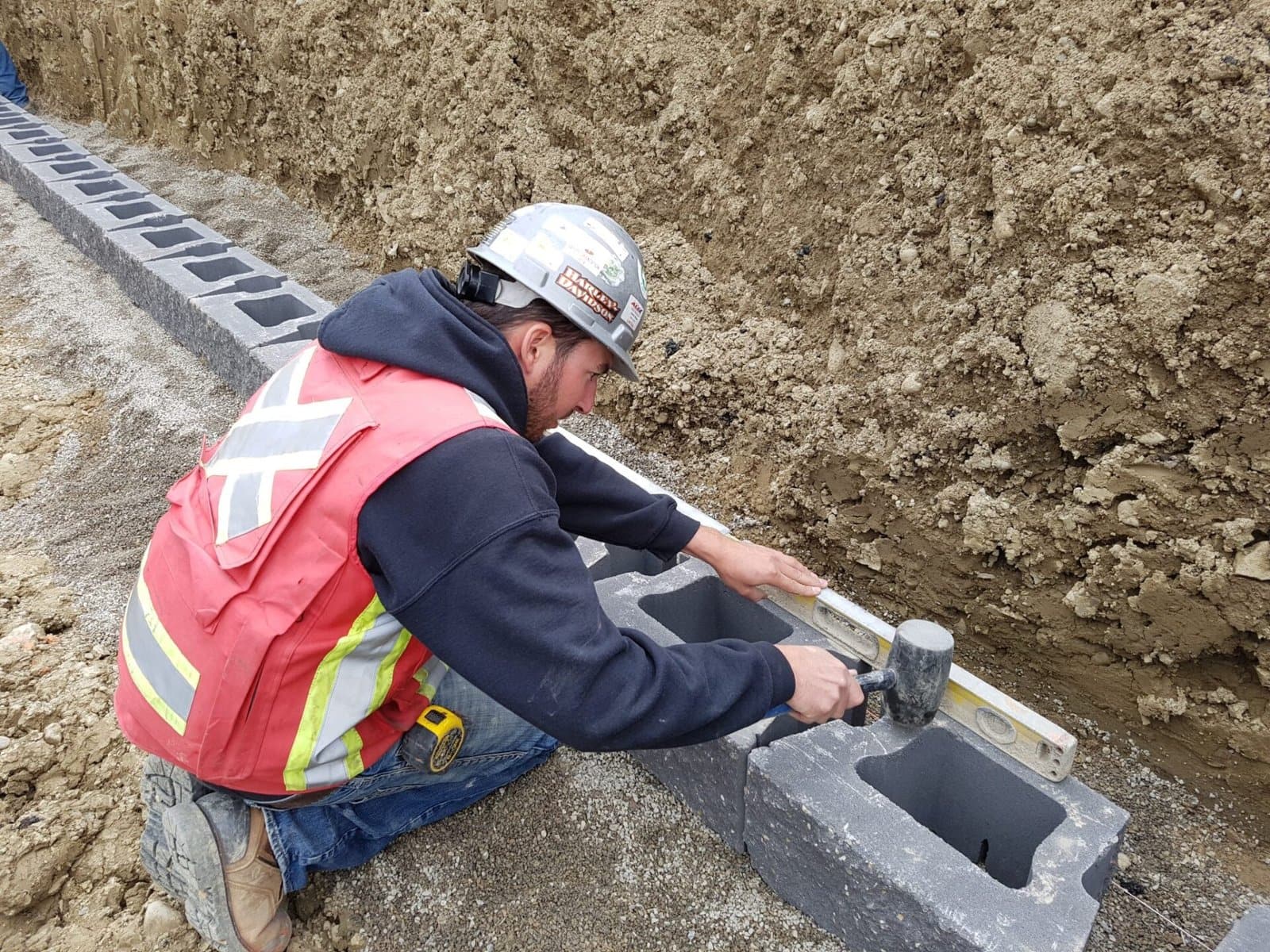
We install blocks in proper running bond patterns, place geogrid reinforcement at engineered intervals, and build walls to exact specifications. Backfill placement and compaction follows established procedures.
Professional Retaining Walls in North Port, Venice, Port Charlotte and Englewood

Finishing & Integration

Final steps include cap installation, drainage completion, and coordination with surrounding landscape elements creating cohesive outdoor spaces.
We install wall caps protecting tops, complete backfill grading, and coordinate plantings enhancing wall aesthetics. Final inspections ensure quality and code compliance for permitted projects.

FAQ

Frequently Asked Questions About Retaining Walls

Retaining wall costs in Southwest Florida vary significantly based on wall height, length, material selection, site accessibility, and engineering requirements, but most residential projects range from $25-$60 per square foot for standard modular block walls to $75-$150+ per square foot for natural stone or extensively engineered structures. Simple decorative walls under 2 feet tall using basic concrete blocks typically cost $1,500-$3,000 for 20-30 linear feet, providing affordable solutions for raised planting beds and minor grade changes without extensive engineering. Mid-height walls spanning 3-5 feet tall generally run $3,000-$8,000 for similar lengths depending on material quality and site conditions, representing the most common residential installations managing typical yard slopes and creating usable level areas. Taller structural walls exceeding 6 feet often cost $10,000-$25,000+ for moderate lengths since they require professional engineering calculations, geogrid reinforcement systems, more substantial bases, and often building permits adding design and inspection costs. Material choices significantly influence pricing with standard concrete modular blocks costing $25-$40 per square foot installed, premium textured or natural-face blocks running $35-$60, natural stone reaching $60-$100+, and poured concrete varying widely based on forming complexity and reinforcement requirements. Site conditions affect final costs substantially – challenging access limiting equipment use increases labor expenses, poor soil requiring extensive excavation and imported base materials adds costs, and significant grade changes necessitating taller walls or terraced systems multiply material and labor needs. Wall length impacts per-foot pricing since mobilization and setup costs distribute across larger projects, making longer walls more economical per linear foot than short sections. Additional features including integrated lighting, planter pockets, decorative caps, or curves and corners add complexity increasing costs beyond straight wall installations. Engineering fees for taller walls requiring calculations and stamped drawings typically run $500-$2,000 depending on complexity and local requirements. Permit costs vary by municipality but generally range $100-$500 for residential retaining walls requiring approval. When budgeting retaining wall projects, consider long-term value since properly built walls last 30-50+ years with minimal maintenance, often preventing expensive erosion damage and creating usable property area adding substantial value. Combining retaining wall construction with comprehensive landscape renovations, hardscape projects, and drainage improvements often provides better overall value through coordinated project execution reducing mobilization costs.
Permit requirements for retaining walls vary by municipality and wall specifications, but most Southwest Florida jurisdictions require building permits for walls exceeding 30 inches in height measured from the low side, while walls under this threshold typically don’t need permits though property owners should always verify local regulations before construction. The 30-inch height threshold represents a common standard across many Florida municipalities, though some jurisdictions set limits at 24 inches or 36 inches, making verification with your local building department essential before starting work to avoid expensive corrections or removal requirements. Height measurement typically occurs from the lowest finished grade on either side of the wall to the top of the wall, meaning the same wall may measure differently on upslope versus downslope sides. Retaining walls located near property lines face stricter requirements regardless of height since failure could damage neighboring properties, often requiring setbacks, additional engineering, or neighbor notifications depending on local ordinances. Walls supporting structures including buildings, pools, or other permanent features typically require permits regardless of height since they perform critical structural functions affecting property safety. Engineered walls using geogrid reinforcement or other soil stabilization systems generally need permits even when under height thresholds since they represent more complex structural systems requiring professional oversight. Permit processes typically involve submitting site plans showing wall location, dimensions, and relationship to property lines and structures, engineering calculations and details for walls requiring professional design stamped by licensed engineers, and material specifications indicating block types, reinforcement systems, and drainage provisions. Building departments review submissions ensuring compliance with Florida Building Code requirements, setback regulations, and drainage provisions affecting neighboring properties. Approved projects receive permits authorizing construction and requiring inspections at various stages – footer/base inspections before backfilling, reinforcement placement verification for engineered walls, and final inspections confirming completed work matches approved plans. Operating without required permits creates multiple problems including inability to obtain certificates of occupancy affecting property sales, requirements to remove unpermitted construction discovered during transactions or complaints, liability issues if wall failure causes property damage or injury, and difficulties obtaining homeowner’s insurance or settling claims. HOA approval represents separate requirements from municipal permits in deed-restricted communities, requiring architectural review committee approval before beginning work regardless of permit needs. Professional retaining wall contractors understand local permitting requirements and typically handle application processes, engineering coordination, and inspection scheduling as standard project services. When uncertain about permit requirements, contacting your local building department provides definitive answers specific to your property and project specifications.
Retaining wall longevity in Florida depends primarily on proper design, quality construction, appropriate materials, and adequate drainage, but professionally engineered and built walls using quality materials typically last 30-75 years with minimal maintenance, significantly outperforming timber alternatives while providing reliable structural performance throughout their service life. Concrete modular block walls properly installed on well-compacted bases with appropriate drainage systems resist Florida’s challenging climate including heavy seasonal rainfall, occasional hurricanes, and constant soil pressure, maintaining structural integrity and appearance for 40-60+ years. Quality concrete blocks manufactured using high-pressure compression and proper curing resist weathering, UV exposure, and moisture infiltration that degrades lesser products. The segmented nature of modular block systems allows minor movement and settling without catastrophic failure, unlike monolithic poured concrete that can crack extensively from ground shifting common in Southwest Florida’s sandy soils. Natural stone retaining walls using limestone, granite, or fieldstone offer exceptional durability often lasting 50-100+ years when properly constructed with adequate drainage and stable bases, though they require skilled mason installation ensuring proper stone selection, fitting, and structural stability. Poured concrete retaining walls with proper reinforcement, adequate thickness, and quality concrete mixes perform reliably for 50-75+ years in Florida applications when designed and constructed correctly, though they’re susceptible to cracking from ground movement and require careful construction preventing common installation mistakes. Installation quality critically determines longevity regardless of material selection – proper base preparation with adequate excavation depth, quality compacted aggregate providing stable foundations, and correct initial leveling prevent premature failure. Drainage systems represent the most critical factor affecting retaining wall lifespan since hydrostatic pressure from water accumulation behind walls causes most failures even in well-built structures. Professional installations include perforated drain pipes at wall bases collecting and directing water away, drainage aggregate behind walls allowing water movement to drain systems, and weep holes or gaps in wall faces releasing pressure. Florida’s climate presents specific challenges properly designed systems address – intense rainfall during summer months demands robust drainage capacity, occasional hurricanes generate extreme water volumes requiring oversized drainage provisions, high water tables in coastal areas necessitate special considerations, and sandy soils allowing rapid water movement require appropriate aggregate selection. Common installation mistakes shortening lifespan include inadequate base preparation causing settling and wall tilting, missing or improper drainage systems allowing hydrostatic pressure buildup, insufficient or incorrectly placed geogrid reinforcement in taller walls reducing structural capacity, poor backfill selection and compaction creating unstable support, and improper wall construction including incorrect block placement or inadequate connections. Maintenance requirements remain minimal for quality retaining walls compared to timber alternatives requiring periodic replacement, though periodic inspections checking for settlement, cracking, or drainage issues allow early intervention preventing major problems.
Retaining wall failure typically results from inadequate drainage causing hydrostatic pressure buildup, poor base preparation allowing excessive settling, insufficient structural design for actual loads, or construction defects compromising wall integrity, though properly engineered and built walls incorporating appropriate drainage systems rarely experience catastrophic failure throughout normal service lives. Hydrostatic pressure represents the leading cause of retaining wall failure across all materials and wall types – when water accumulates in soil behind walls without adequate drainage paths, hydraulic forces exceed wall structural capacity pushing walls outward causing tilting, bulging, or complete collapse. Professional installations prevent this by incorporating perforated drain pipes at wall bases directing water to discharge points, drainage aggregate backfill allowing water movement to collection systems, and weep holes or gaps in wall faces releasing pressure before damaging accumulation occurs. Poor base preparation causes gradual wall failure through differential settling where portions of walls sink more than others, creating cracks in rigid walls or pronounced tilting in segmental walls until structural capacity is compromised. Proper base construction requires excavation to undisturbed soil or engineered fill, installation of compacted aggregate base providing stable foundations typically 6-12 inches thick depending on wall height, and precise leveling ensuring walls start properly distributed preventing concentrated loads. Insufficient structural design for actual conditions causes walls to fail under loads exceeding their capacity – this occurs when walls are built taller than designed without appropriate reinforcement, surcharge loads from slopes, structures, or heavy equipment above walls exceed design assumptions, or soil conditions differ from engineering assumptions reducing wall capacity. Florida-specific failure causes include undermining from excessive rainfall creating channels beneath wall bases washing away foundation support, tree roots growing behind walls creating lateral pressure and disturbing drainage systems, and ground movement from sandy soil settlement or expansive clay behavior in some areas. Construction defects causing failures include improper block placement with insufficient interlock or running bond patterns reducing structural integrity, missing or inadequate geogrid reinforcement in engineered walls, poor backfill material selection or compaction creating unstable support, and improper drainage installation including kinked pipes, inadequate slope, or missing outlet connections. Warning signs indicating potential failure include visible tilting or bulging outward from vertical alignment, cracks developing in wall faces or between blocks, separation between wall sections or pulling away from adjacent structures, soil erosion around wall bases or water seepage indicating drainage problems, and settlement creating depressions or gaps. Addressing failures requires professional evaluation determining root causes – minor issues like clogged drainage may require excavation and drain cleaning, while significant structural problems might necessitate complete wall reconstruction. Prevention through proper initial design and construction proves far more economical than addressing failures, making professional engineering and experienced installation essential for retaining walls, particularly those exceeding decorative heights or retaining significant soil volumes.

retaining wall Projects

retaining wall construction

block wall installation

landscape wall install

structural retaining wall